Phone:+256 776 121129•
Email:info@sunsetcoffeeug.com•
Location:Ntinda, Kampala - Uganda•
Hours:Mon-Sat 8:00am - 6:00pm•
Special:Get 20% off your first brew!•
Phone:+256 776 121129•
Email:info@sunsetcoffeeug.com•
Location:Ntinda, Kampala - Uganda•
Hours:Mon-Sat 8:00am - 6:00pm•
Special:Get 20% off your first brew!•
Phone:+256 776 121129•
Email:info@sunsetcoffeeug.com•
Location:Ntinda, Kampala - Uganda•
Hours:Mon-Sat 8:00am - 6:00pm•
Special:Get 20% off your first brew!•
Phone:+256 776 121129•
Email:info@sunsetcoffeeug.com•
Location:Ntinda, Kampala - Uganda•
Hours:Mon-Sat 8:00am - 6:00pm•
Special:Get 20% off your first brew!•
Back to Blogs
Coffeeugandaclimate

Uganda's coffee sector works towards a climate resilient value chain

21 September 2026 · Sunset Coffee Uganda

Uganda's coffee sector works towards a climate resilient value chain

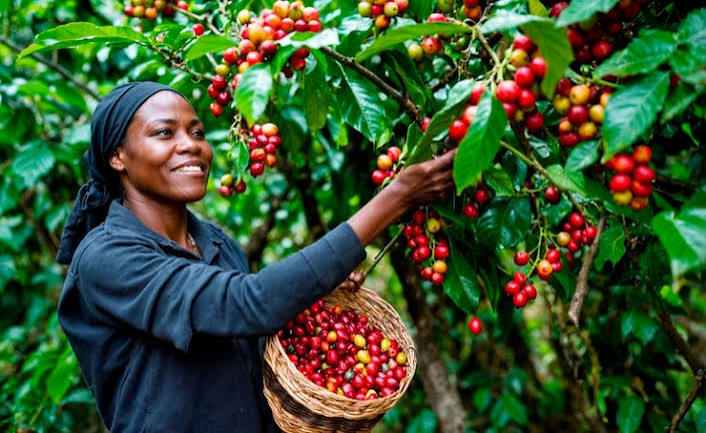
KAMPALA, Uganda—March 18, 2014— An innovative new pilot initiative demonstrates how to take a more integrated approach to climate adaptation in Uganda’s coffee value chain where farmers and processors are the most vulnerable to climate change.

The International Institute for Sustainable Development (IISD), along with the Ministry of Trade, Industry and Cooperatives (MoTIC), Makerere University (MAK), and the Climate and Development Knowledge Network (CDKN) worked together during a six-month period in 2013 to provide a platform for dialogue on climate risk management among actors along the coffee value chain—from producers to exporters. Click here to read the briefing note Promoting an Integrated Approach to Climate Adaptation: Lessons from the coffee value chain in Uganda.

The study found that climate hazards such as droughts, floods and changing rainfall patterns already negatively affect all actors along the coffee value chain, but in different ways and to different extents. Results also showed that coffee farmers and processors generally tend to be more vulnerable to climate hazards than traders, middlemen and exporters, due to their limited diversification, weak organizational capacities and the unfavorable policy environment.

‘‘As a result of this pilot initiative, for the first time in Uganda, climate risks were integrated into trade-related issues at the ministerial level. MoTIC considers the integration of climate risk along agro-value chains necessary to be able to ensure the competitiveness of the country in the long term. The process used for this pilot can be scaled-up and replicated for other agro-value chains in Uganda,” said Elizabeth Tamale, assistant commissioner at the Internal Trade Department of MoTIC.

Relatively little has been done in Uganda, as elsewhere, to support climate adaptation along entire value chains, particularly beyond the production level. Little is known about the impacts of climate change at the post-harvest stage, especially in developing countries. It should be noted that most actors are already making some efforts to minimize the negative impacts of climate hazards on their activities, but not all responses are sustainable. The study also provides evidence that a lack of communication and trust between and among actors along the value chain particularly hampers climate adaptation.

Get notified whenever we publish something new

Sign up for our newsletter to stay up to date.

We will never spam. That's our promise.

Chat on WhatsApp